One question. One answer. A microdose of brand thinking.
The Question
"Offline is the new luxury" is everywhere. More people are blocking social media and gravitating toward analog hobbies. Why does this shift feel sudden now, and what signals does it send for marketing's future?
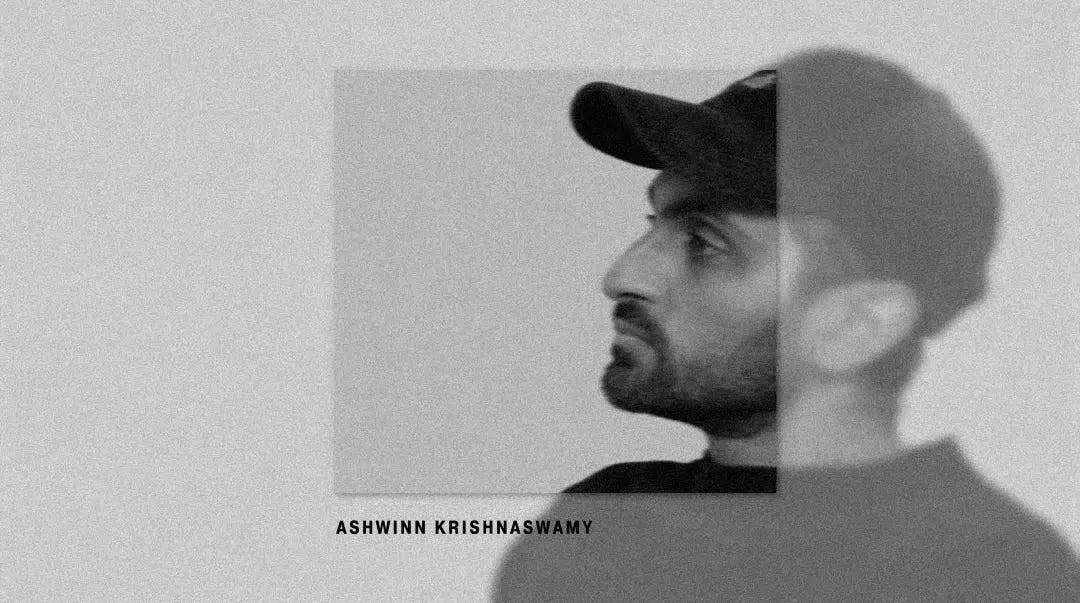
Ashwinn Krishnaswamy
This trend has been developing for approximately a decade. Two key factors explain why it feels sudden: ideas take time to permeate culture, and external forces accelerate adoption.
Around 2018, products like the Light Phone — designed without notifications — emerged but arrived too early. Similar offerings like Opal and Brick now find greater market receptivity. Creators like CatGPT have launched complementary physical products. The infrastructure was always being built. The culture just needed time to catch up.
For ten years, technology observers recognized that smartphone and social media culture creates addiction and cognitive harm. This awareness drives analog experience popularity. Related trends in sleep optimization and longevity science reinforce the message: we have to spend less time on our phones. The science arrived before the cultural permission to act on it.
What This Means for Marketing
Everything about marketing is about finding arbitrage opportunities. Historical examples include Facebook in 2015 and the first wave of organic social adoption — channels that were cheap to enter before everyone understood their value.
Currently, brands are exploring "pseudo-offline experiences" — community events, IRL pop-ups, run clubs — amplified through social channels. The paradox is intentional. The experience is analog; the reach is digital.
As cost and ROI advantages exist offline relative to saturated digital channels, brand investment will increase. The brands that move now — before analog space becomes as crowded as a 2019 Instagram feed — will find the same kind of early-mover advantage that defined the last generation of iconic brand builders.
The arbitrage window is open. It won't stay open forever.